The opportunities

Six ways we put capital to work.

Every mandate is bespoke — but the deals we source fall into six disciplines. For each, the same two questions are answered before it reaches you: what do the numbers really say, and which legal gates must be cleared first.

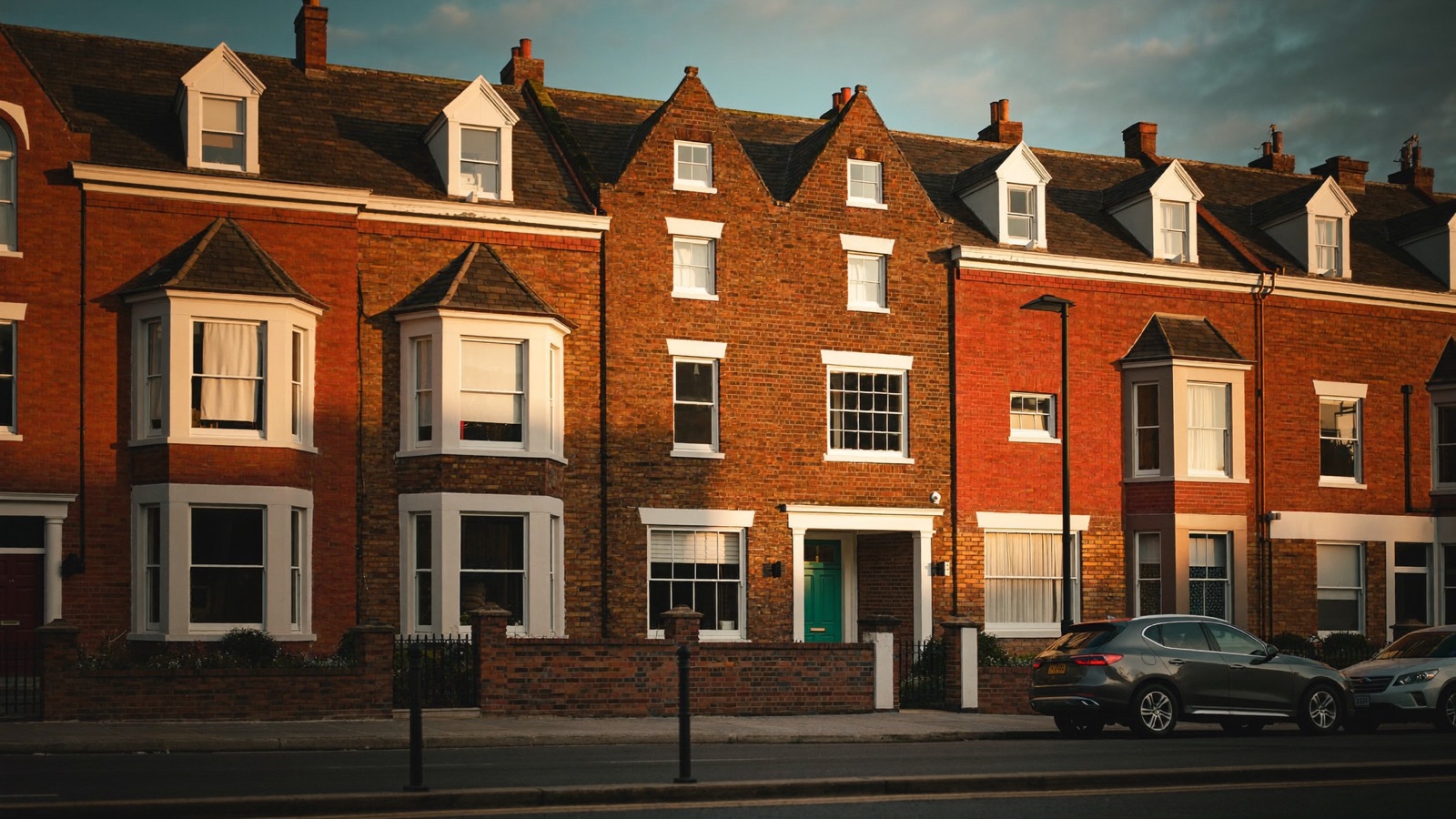
A street of Victorian red-brick terraced houses at golden hour, one with a racing-green front door.
Bespoke deal sourcing

The mandate comes first. The deal is found to fit it.

7–11%
Gross yield benchmark on blocks
10–25%
Block pricing under the sum of its flats
Every deal stacked conventional and Sharia
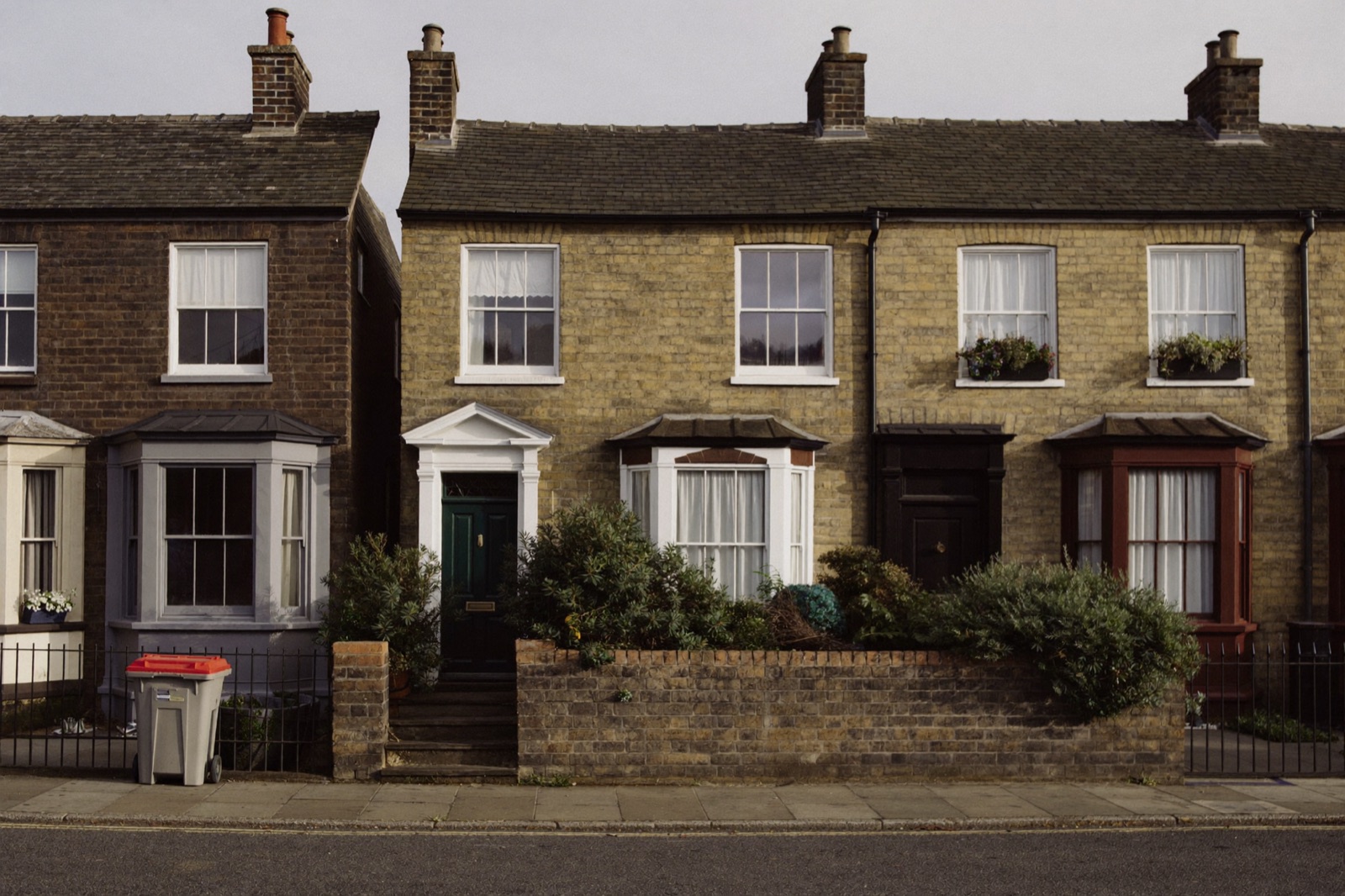
A modest Victorian terraced house in a row on an ordinary English street.
BTL

Buy-to-let, bought properly

The steady core of a portfolio — a single let that pays from month one, bought below the market rather than at it.

What we underwrite

  • Entry price — sourced from reduced, unmodernised, auction and repossession stock, with the discount evidenced against sold comparables.
  • Rent and voids — local achieved rents, not asking rents, stressed for tenant turnover.
  • Tenancy reality — every stack assumes open-ended periodic tenancies under the Renters’ Rights Act, not fixed terms that no longer exist.
  • Energy trajectory — the EPC-to-C upgrade cost sits as a line in the stack on any property held past 2030.

The gates we clear

  • Possession and notice rules priced in — Section 21 is gone; the model reflects it.
  • EPC minimum E today, band C direction by 2030 — heating type checked, not assumed.
  • Stamp duty modelled at the additional-dwelling rate; no reliance on reliefs that were abolished.
ConventionalSharia-compliant
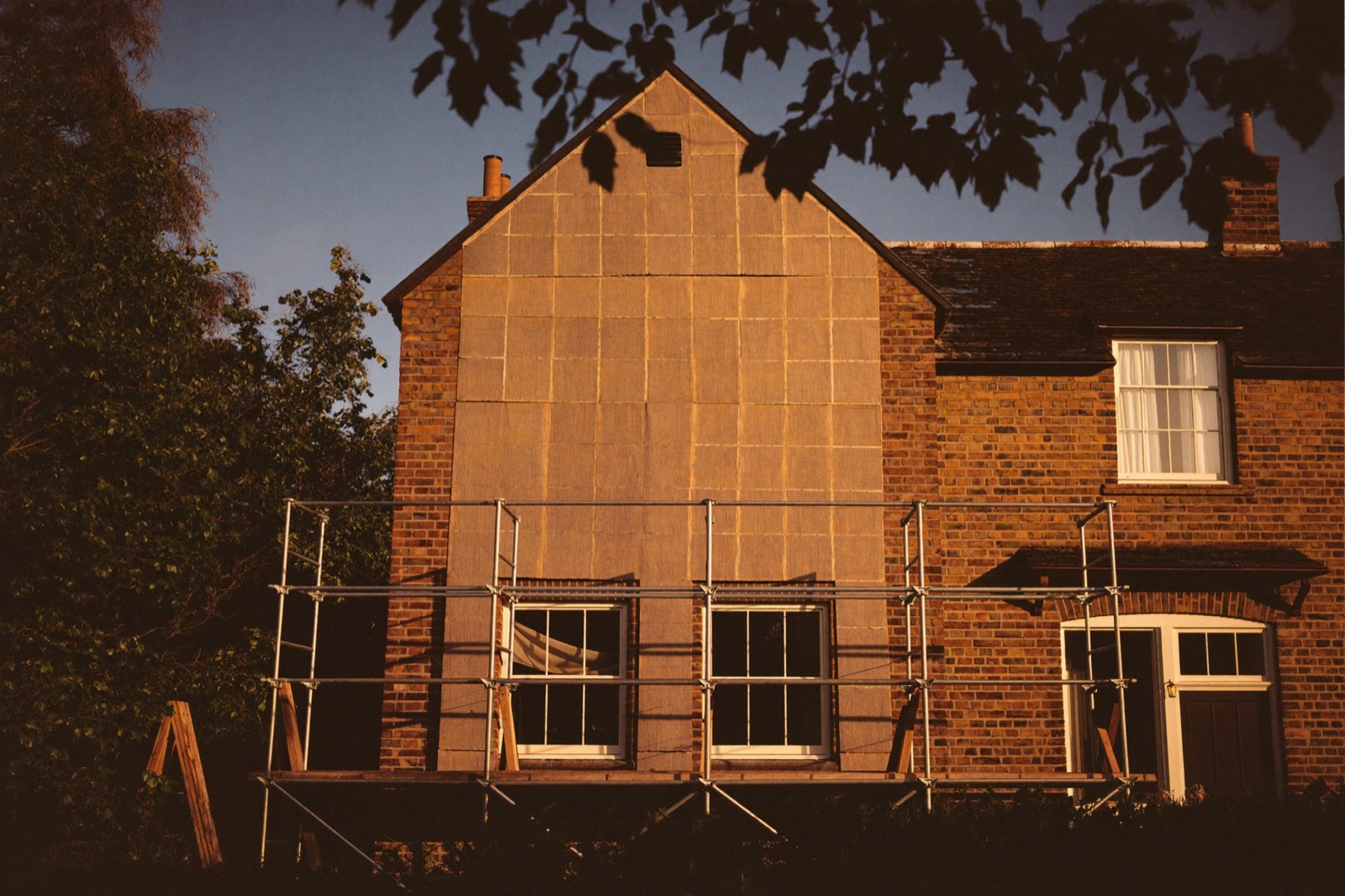
A period brick house under renovation, scaffolding on the facade.
BRRR

Buy · refurbish · refinance · rent

Recycling capital: buy at a discount, add real value, refinance at the new value, keep the tenant. Both halves must be true.

What we underwrite

  • The discount and the uplift — purchase price against sold comparables, end value against refurbished comparables; one without the other is not a deal.
  • The works budget — from quotes where we have them, marked estimated where we don’t; never a round number picked to make the sheet work.
  • The refinance — stressed at today’s lender coverage ratios, with a down-valuation line on the sensitivity strip.
  • The exit — bridge-to-term timing, and what holding three months longer does to the return.

The gates we clear

  • Works needing planning or building control flagged before you commit, not after.
  • An EPC C achieved at refurbishment is banked as an asset against the 2030 rules.
  • Refinance assumptions named per lender type, never “a typical remortgage”.
ConventionalSharia-compliant
A large double-fronted Victorian house with generous proportions.
HMO

Houses in multiple occupation

Room-level income at roughly twice the yield of a single let — for operators willing to run it properly, or pay someone who does.

What we underwrite

  • Room-by-room rents — live room-market data for the postcode, discounted from asking to achieved (typically 5–10%).
  • The floorplan — statutory minimum room sizes checked before anything else; a 6 sqm “bedroom” is not a bedroom.
  • Local supply — licensed-HMO density around the property, and the benefit-rate floor for the area as a downside case.
  • Voids and extras — en-suite premiums, bills-inclusive pricing, and occupancy stressed room by room.

The gates we clear

  • Licensing — mandatory at five sharers; we check the scheme and its conditions before shortlisting.
  • Article 4 — planning restrictions on new HMOs geofenced against the national dataset and confirmed with the council; absence from a map is not permission.
  • Management regulations apply to every HMO, licensed or not — factored into operating costs.
  • Student lets: the possession window and its all-student conditions understood before the tenancy model is chosen.
ConventionalSharia-compliantLicensing checked first
A boutique serviced-apartment bedroom with hotel-style bedding.
SA

Serviced accommodation

The short-let uplift over a plain tenancy is the whole strategy — so we underwrite the uplift, not the brochure.

What we underwrite

  • Nightly rate × occupancy — at submarket level, on medians, not the means that headline figures are built from.
  • The delta — projected short-let revenue against the same property on a plain tenancy, minus 25–40% operating cost. If the delta is thin, we tell you.
  • Seasonality and supply — how fast new listings are arriving against demand, and what the shoulder months do to the year.

The gates we clear

  • London’s 90-night cap on entire homes respected in every London stack.
  • Leasehold flats are usually fatal — private-residence covenants defeat short lets; we source freehold houses or leases with consent.
  • Registration-scheme readiness: fire risk assessment, gas and electrical certificates, insurance — budgeted, not hoped.
  • The old furnished-holiday-let tax advantages are gone; the sheet never assumes them.
ConventionalSharia-compliantFreehold-first
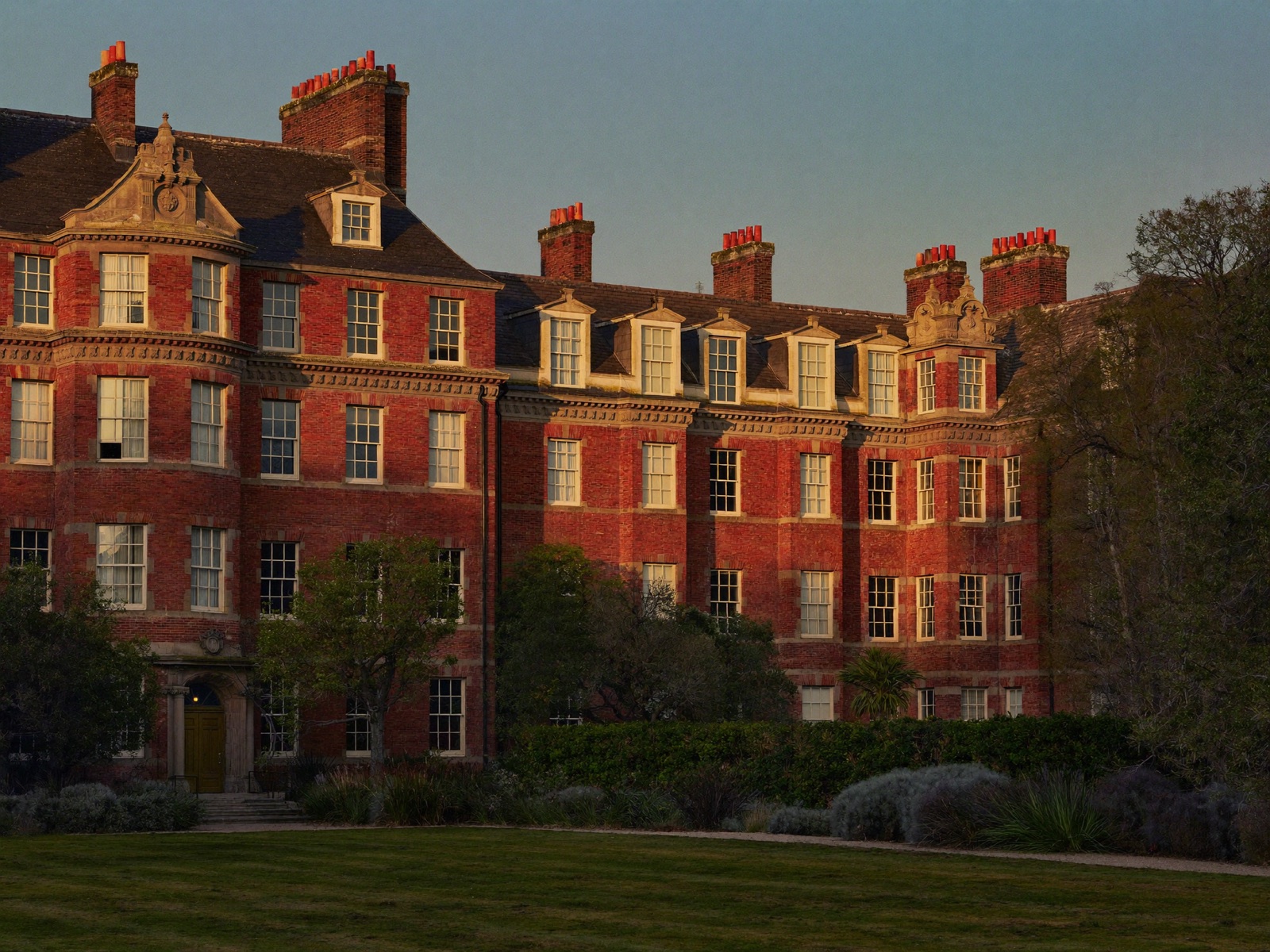
An Edwardian red-brick mansion block of flats at golden hour.
MUFB

Multi-unit freehold blocks

Several rents under one roof — bought on a block valuation that prices 10–25% under the sum of its flats.

What we underwrite

  • Gross yield — benchmarked at 7–11% against 5–7% for single lets in the same market.
  • The valuation gap — block basis versus aggregate unit value, the margin you bank on day one.
  • Lendability — unit count and unit sizes against the lender panel; the market is broadest at two to six units of 35 sqm or more.
  • Serviceability — one roof, one insurance policy, n rents; the operating economics of scale.

The gates we clear

  • Stamp duty turns on unit count — six or more dwellings in one purchase takes non-residential rates, often the deal-maker; modelled both ways.
  • Every unit needs its own EPC at E now and C on the 2030 trajectory — priced per unit.
  • Building-safety regime checked on taller blocks before we go further.
  • Sharia-compliant block finance exists but is thin — we flag compatibility before you fall in love with the deal.
ConventionalSharia route (thin, flagged)SDLT modelled both ways
A 1930s former factory building converted into apartments, Crittall windows and new balconies.
C2R

Commercial to residential

Office blocks into apartment blocks, high-street shops into flats above the parade, warehouses into homes — commercial space priced far below the homes it could become. The trading-estate corridors west of London — Park Royal, Perivale, Slough — are exactly this stock.

What we underwrite

  • The arbitrage — local residential £/sqft, minus the commercial asking £/sqft, minus £100–200/sqft conversion cost, across the whole usable area.
  • The building itself — floor-plate depth (natural light is the first thing that kills a conversion), ceiling heights, core position.
  • The carve-up — units that meet national space standards; a scheme of undersized flats is not a scheme.
  • Developer’s margin — at least 20% profit on gross development value before a lender will look at it; we hold the same bar.

The gates we clear

  • Permitted development — the office-to-home route needs two years’ commercial use and a prior-approval pass on transport, flood, noise and light; we pre-screen all of it.
  • Exclusion zones (conservation carve-outs, central-London Article 4 areas) geofenced before an offer, not discovered after.
  • Sitting tenants’ protections checked — vacant possession has a price and a timeline.
  • The tax edge captured properly: non-residential stamp duty on the way in, reduced VAT on conversion works, zero-rated first sale.
Bridge → development → exitFCA-authorised Sharia routePlanning pre-screened

Ranges above are underwriting benchmarks drawn from our playbooks, not promises. On a live deal sheet, every figure is individually marked estimated or confirmed, and the legal position is re-verified at the time of the deal.

Bespoke by default

Don’t see your strategy? Bring us the mandate.

The six disciplines are where our playbooks are deepest — but the desk is bespoke. If your brief is a vicarage in three postcodes or a yard with development angles, the process is the same: mandate first, underwriting always, address blind until reserved.

See the process we follow

A hand holding a small ring of brass house keys above a kitchen worktop with a folded floor plan.

Request an invitation.

Tell us your mandate and we’ll be in touch. Whether you’re building a portfolio or buying your first investment, the process is the same — bespoke, evidenced, blind until you reserve.

Already an investor?Investor login

Illustrative only. Provenance.Properties does not arrange or advise on finance; all figures are indicative until confirmed by survey and quote.